Our Programmes
Sexual and Reproductive Health and Rights (SRHR)
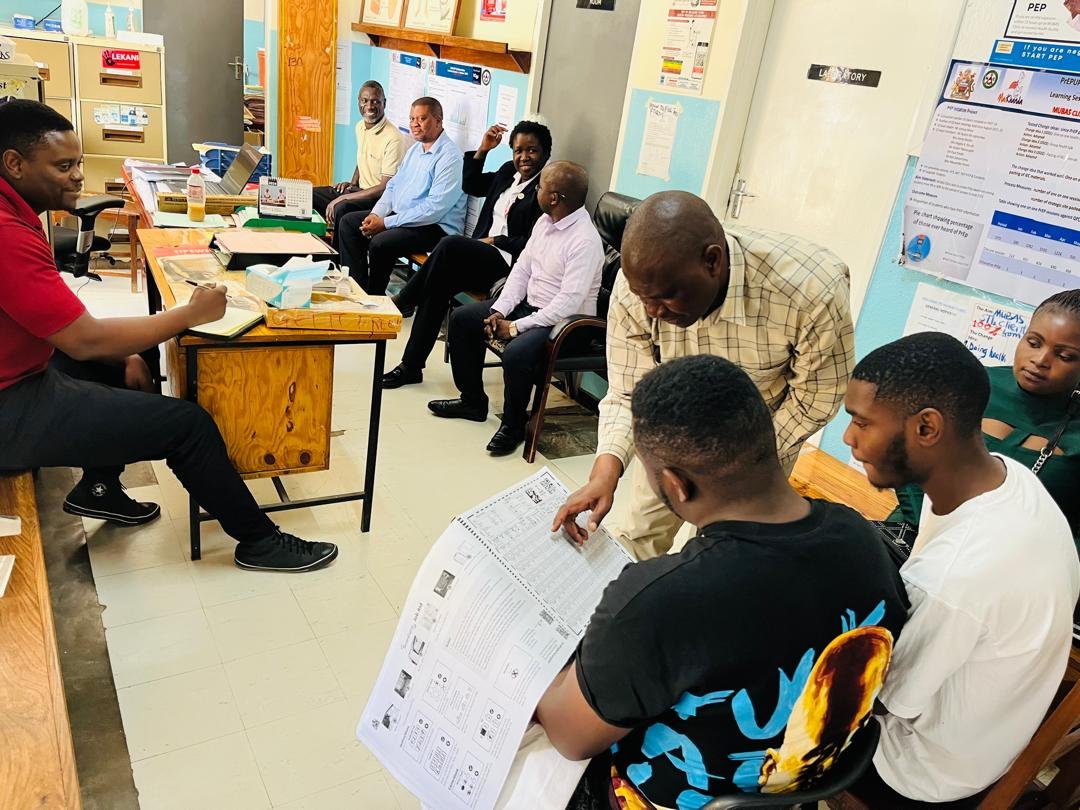
CHeR-YoD is actively engaged in sexual and reproductive research and committed to ensuring that adolescents and young people have access to comprehensive sexual and reproductive health and rights (SRHR) services and information.
Our programs focus on proving access and increased awareness on contraception, menstrual health, and sexually transmitted infection (STI) treatment and prevention, while also addressing barriers to accessing services. We implement peer-led education programs, community service outreach initiatives, and advocacy campaigns to promote informed decision-making and gender equality. We collaborate with healthcare providers and policymakers to create a supportive environment where young people can access confidential, youth-friendly SRHR services without stigma or discrimination. We are also actively engaged in sexually
HIV and AIDS
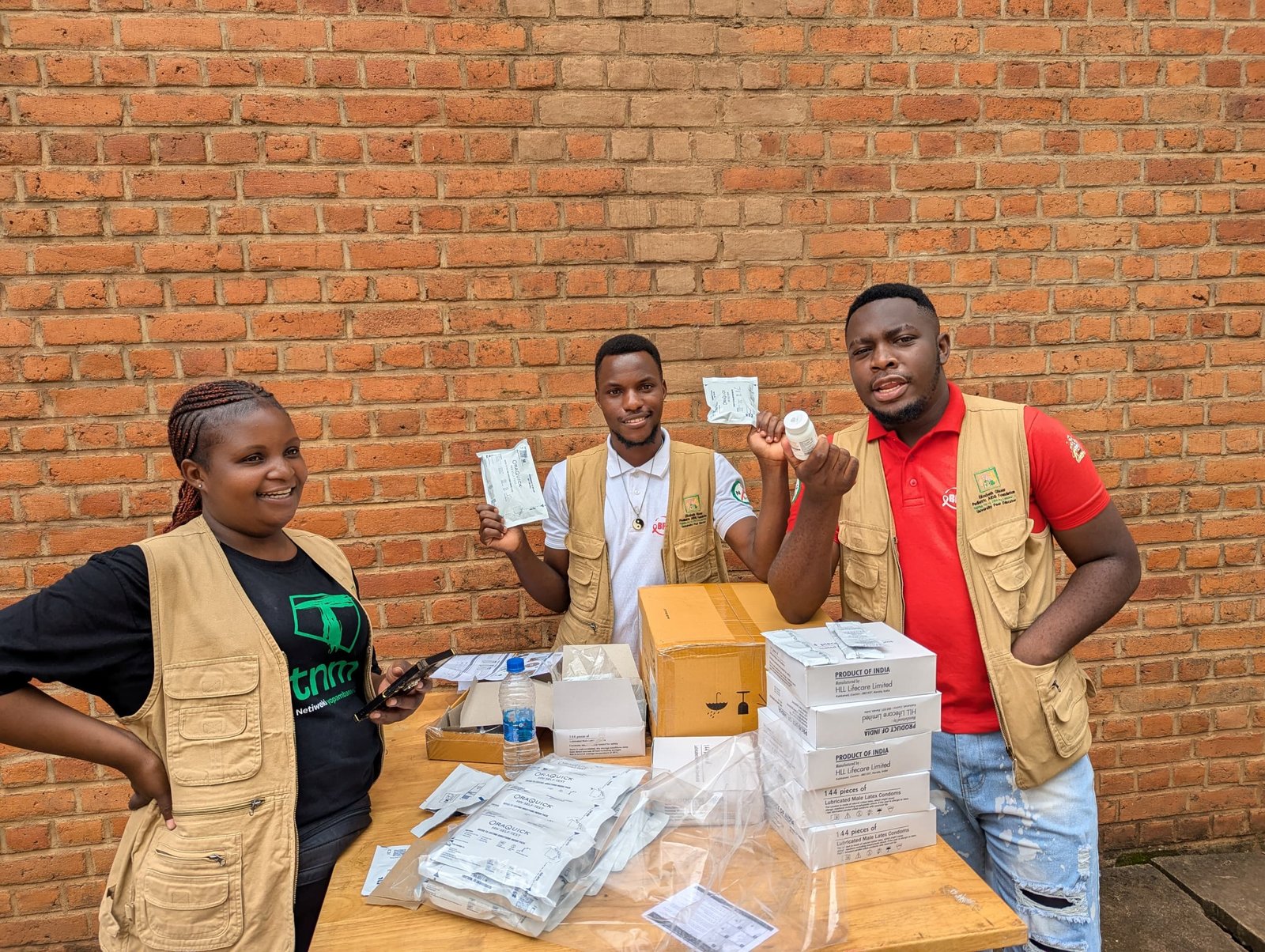
Recognizing the continued impact of HIV and AIDS, CHeR-YoD implements targeted interventions to prevent new infections and improve the quality of life for those living with HIV. Our approach includes HIV testing and counseling services, linkage to antiretroviral therapy (ART), and peer-driven education programs to reduce stigma and misinformation.
We advocate for the integration of PrEP (pre-exposure prophylaxis) and PEP (post-exposure prophylaxis) into HIV prevention strategies, ensuring that young people in higher education institutions and surrounding communities can access lifesaving services. Through research and policy engagement, we contribute to strengthening national HIV response efforts.
Sanitation, Hygiene, and Clean Water
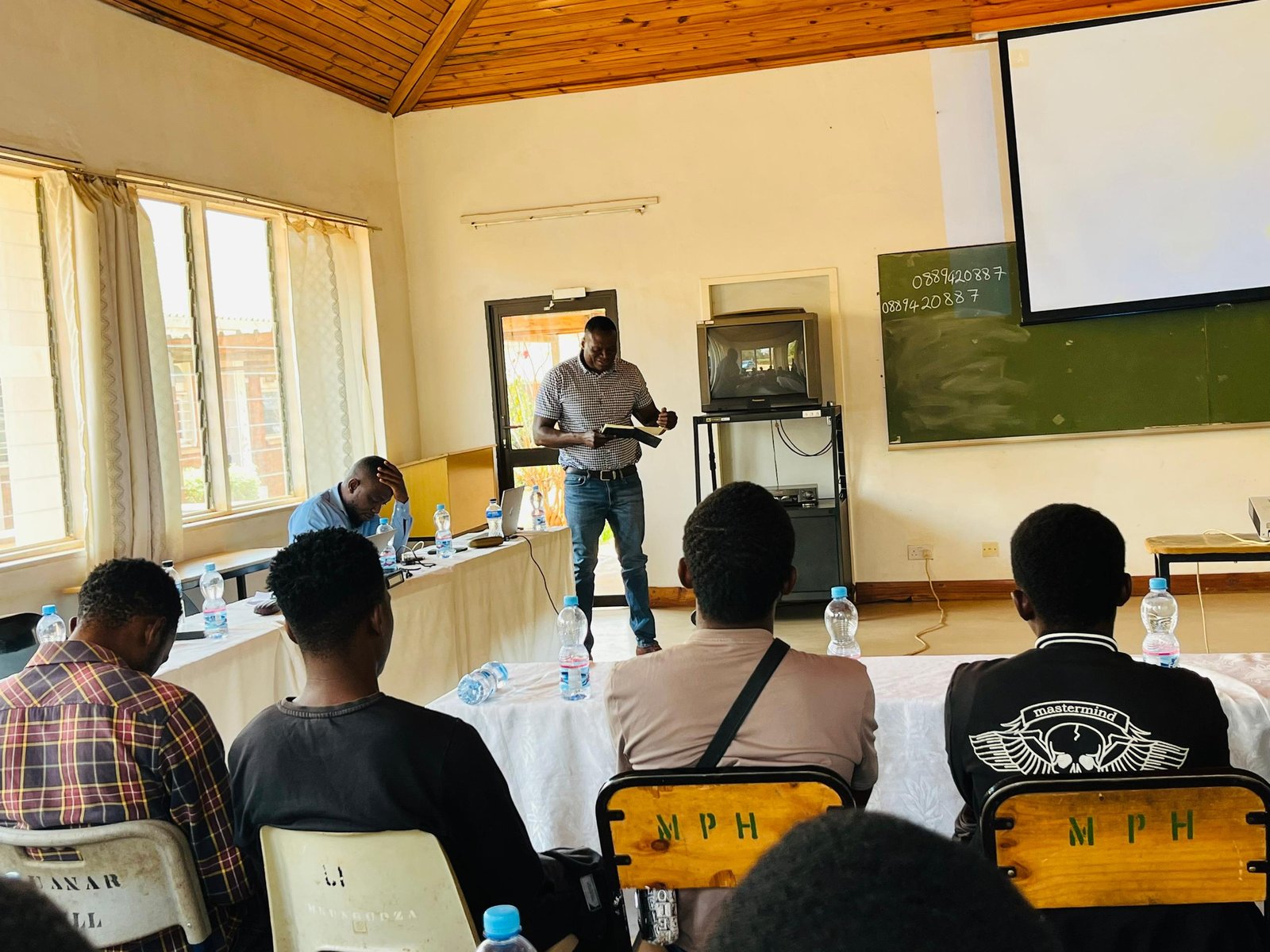
Access to safe water, sanitation, and hygiene (WASH) is essential for public health and disease prevention. CHeR-YoD promotes community-led initiatives to improve hygiene practices, increase access to clean water, and enhance sanitation infrastructure.
Our programs focus on clean water provision in rural areas and waste management, particularly in schools and underserved communities. By working with local governments and development partners, we strive to create sustainable solutions that contribute to improved health outcomes and prevent waterborne diseases.
Non-Communicable Diseases (NCDs)
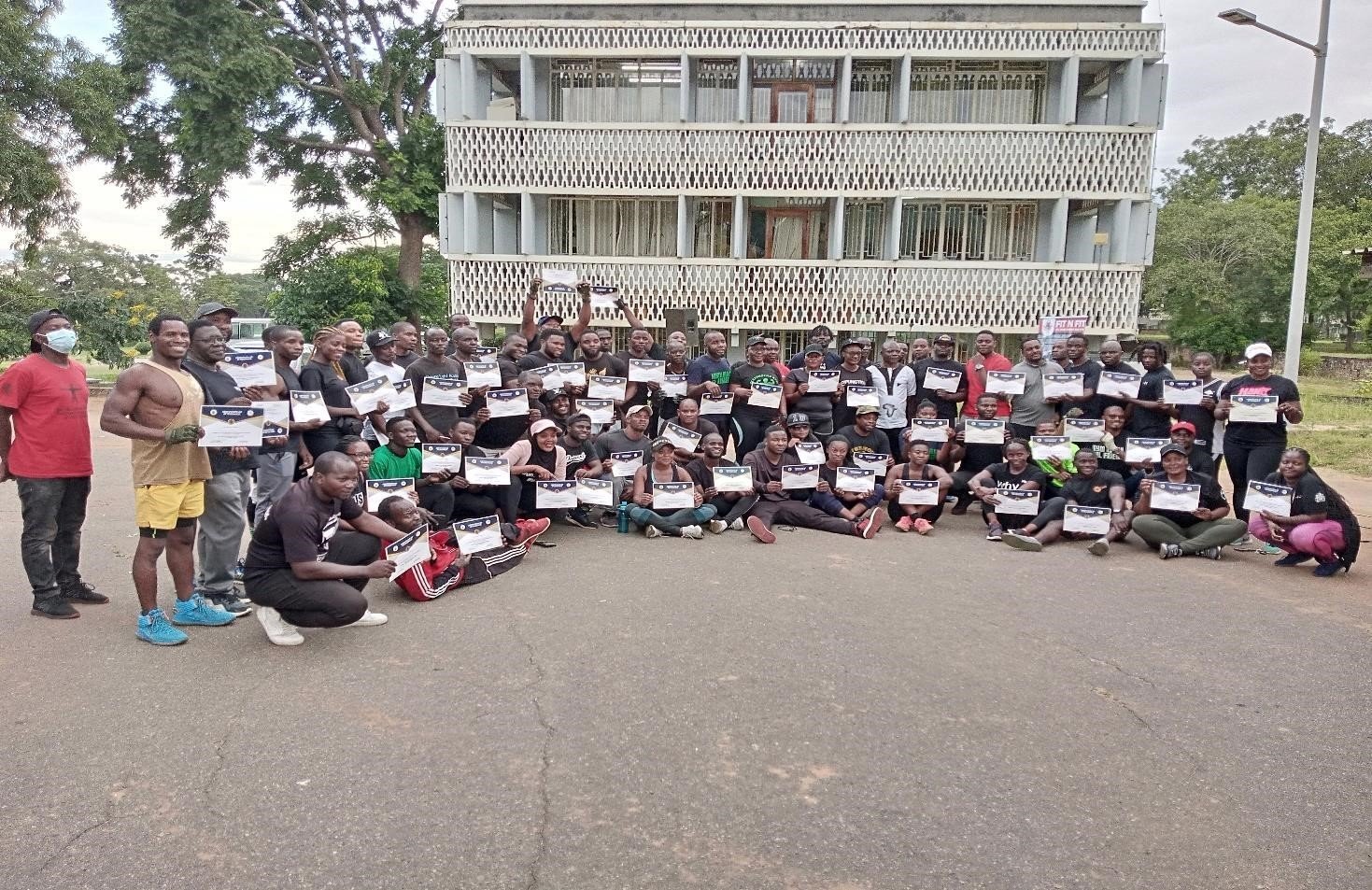
As the burden of non-communicable diseases (NCDs) rises, CHeR-YoD is implementing fitness instructors training program in collaboration with ministry of youth and sports to provide training to young people who are actively engaged in promoting healthy lifestyles and fitness. We are also promoting early screening programs for detection of NCDs.
Through research and partnerships, we seek to enhance the availability of NCD-related healthcare services and reduce the long-term impact of these diseases on individuals and communities.
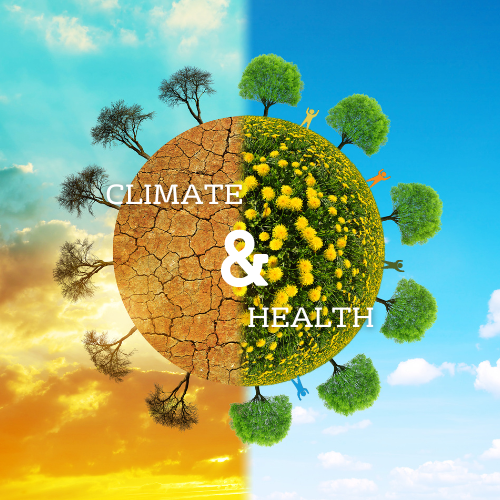
Climate and Health
CHeR-YoD integrates climate and health strategies by promoting climate-resilient healthcare systems, raising awareness of climate-related health risks, and advocating for sustainable environmental practices. Our programs address the impact of air pollution, extreme weather events, and vector-borne diseases such as malaria, which are influenced by climate change.
We work with youth and community leaders to foster climate action initiatives, ensuring that health considerations are at the center of climate resilience planning.
Educate to Empower (E to E)
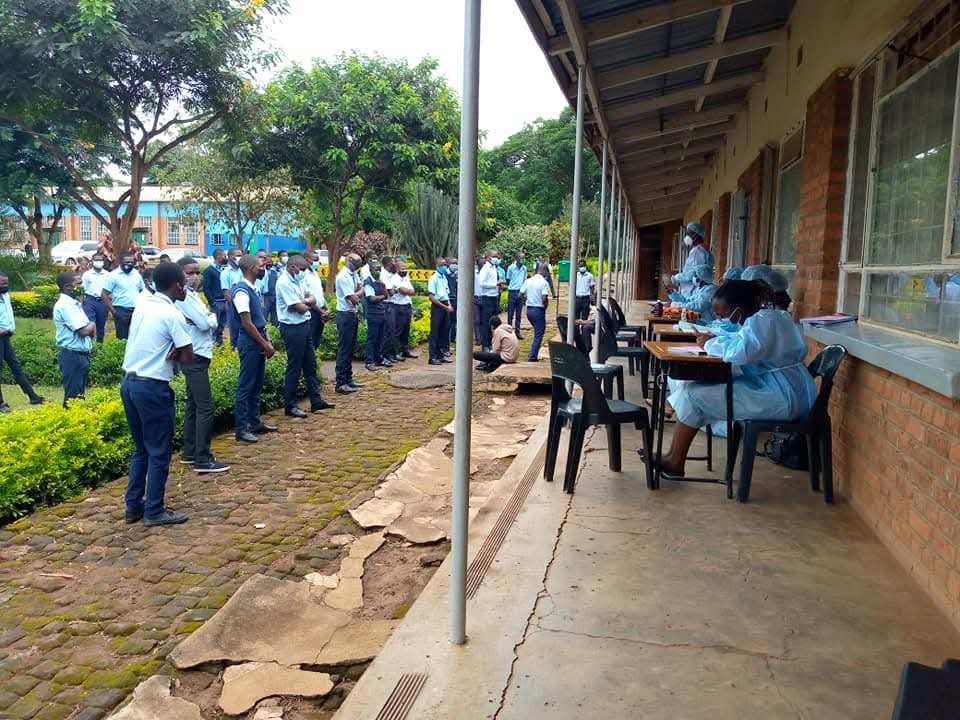
CHeR-YOD formerly known as College of Medicine Youth Development Society, in collaboration with the Ministry of Education, is implementing, Educate to Empower program in the districts of Balaka, Blantyre, and Mangochi. The program focuses on three core interventions: 1. Menstrual Hygiene and Pain Relief Support and Education 2. Ending Early and Child Marriage 3. Provision of Educational Support
Due to the following issues Education is a cornerstone of national development, and despite Malawi’s ambitious targets to reduce dropout rates, the country faces alarming challenges in both primary and secondary education. The primary school completion rate dropped from 76% in 2019 to 45% in 2024, and the number of primary school dropouts has risen from 201,000 in 2023 to over 227,000 in 2024. Additionally, secondary school dropout rates increased by 9.4% in 2024